
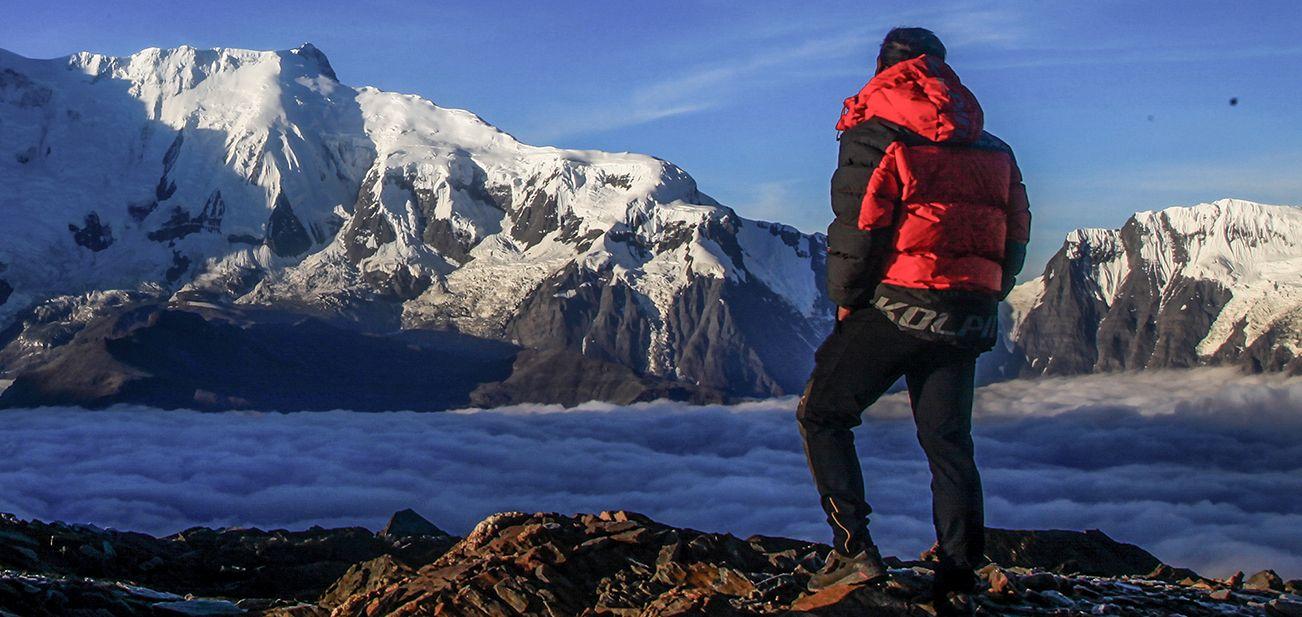
Mt. Annapurna Expedition (8091m.)
Embark on a challenging expedition to summit Mt. Annapurna (8091m), experiencing diverse landscapes and cultures along the way.
Overview
The Mt. Annapurna Expedition is a demanding but rewarding climb to the summit of the world's tenth highest mountain. This 55-day journey takes you through lush valleys, remote villages, and challenging high-altitude terrain. Experience the rich culture of Nepal while pushing your physical and mental limits in one of the most stunning mountain environments on Earth. This expedition requires excellent physical fitness, mountaineering experience, and a spirit of adventure.
Trip Facts
55 Days
8091m
Annapurna, Nepal
Extremely Challenging
55 days
Spring and Autumn
Hotels, Lodges, and Camping
Trip Highlights
Kathmandu
Explore the vibrant culture and historical sites of Kathmandu before and after the expedition.
Annapurna Base Camp
Witness the stunning views of Annapurna I, Annapurna South, and other surrounding peaks from base camp.
Diverse Landscapes
Trek through lush valleys, rhododendron forests, and high-altitude desert landscapes.
Local Culture
Experience the unique culture and hospitality of the Gurung and Magar people.
Itinerary
Arrival in Kathmandu. Transfer to hotel.
Kathmandu, briefing and shopping.
Drive to Beni (823m). Overnight in lodge.
Tatopani (1189m). Overnight in lodge.
Ghasa (2012m). Overnight in lodge.
Lete (2438m). Rest and change porters. Overnight in lodge.
Thulo Bugin. Overnight in jungle camp.
Thulo Bugin pass. Overnight in river camp.
Mristi Khola. Overnight in river camp.
47: Climbing period.
Cleaning up base camp.
Thulo Bugin. Overnight in lodge.
Lete. Overnight in lodge.
Tukuche. Overnight in lodge.
Marpha / Jomsom. Overnight in lodge.
Fly Jomsom / Pokhara / Kathmandu. Transfer to hotel.
Sight seeing & farewell Diner
Return in your Hometown
What's Included
Accommodation
Hotel accommodation in Kathmandu and Pokhara on a twin-sharing basis, lodge accommodation during the trek, and tented accommodation during the climbing period.
Meals
All meals during the trek and climbing period.
Permits
Annapurna climbing permit, conservation area permit, and TIMS card.
Staff
Experienced climbing guide, cook, and porters.
Transportation
Airport transfers, transportation to and from the trailhead.
What's Not Included
International Flights
International airfare to and from Kathmandu.
Visa Fees
Nepalese visa fees.
Personal Expenses
Personal expenses such as drinks, snacks, souvenirs, and tips.
Insurance
Travel insurance with medical evacuation coverage.
Emergency Evacuation
Costs associated with emergency evacuation.
Dates & Availability
No fixed dates available
Essential Information
Permits and Documentation
Ensure you have the necessary permits for climbing Annapurna, including climbing permit, conservation area permit, and TIMS card. Carry multiple copies of your passport, visa, and permit.
Health and Fitness
This expedition requires excellent physical and mental fitness. Consult your doctor for necessary vaccinations and medications. Train rigorously for several months before the expedition, focusing on cardiovascular fitness, strength, and endurance.
Altitude Sickness
Annapurna is a high-altitude peak, and altitude sickness is a serious concern. Ascend gradually to allow your body to acclimatize. Stay hydrated, avoid alcohol and smoking, and inform your guide immediately if you experience any symptoms of altitude sickness.
Gear and Equipment
Pack appropriate mountaineering gear, including warm layers, waterproof outerwear, sturdy boots, crampons, ice axe, harness, helmet, and a high-quality sleeping bag. Ensure your gear is in good condition and that you know how to use it.
Checklist
Clothing
Moisture-wicking base layers, fleece jacket, insulated down jacket, waterproof shell, trekking pants, gloves, hat, sunglasses
Footwear
Mountaineering boots, trekking shoes, socks
Gear
Backpack, sleeping bag, headlamp, water bottles, trekking poles, first-aid kit
Documents
Passport, visa, permits, insurance information
Personal Items
Sunscreen, lip balm, insect repellent, toiletries, medications
Frequently Asked Questions
The best time to climb Annapurna is during the spring (April-May) and autumn (September-October) seasons, when the weather is relatively stable and the temperatures are moderate.
The Annapurna Expedition is considered extremely challenging due to the high altitude, technical climbing sections, and unpredictable weather conditions. It requires excellent physical fitness and mountaineering experience.
Previous experience climbing 6000m+ peaks is highly recommended. Participants should be proficient in using mountaineering equipment such as crampons, ice axes, and ropes.
The risks involved include altitude sickness, falls, avalanches, and unpredictable weather conditions. It is essential to be well-prepared and follow the guidance of experienced guides.
You need travel insurance that covers high-altitude trekking and mountaineering, including medical evacuation and repatriation.
Price on Request
Contact us for pricing