Mt. Kailash Tour Via Simikot
Embark on an unforgettable 22-day adventure to the sacred Mt. Kailash, traversing the remote Humla region of Nepal via Simikot. Experience breathtaking Himalayan vistas, Tibetan culture, and spiritual enlightenment.
Overview
This challenging trek takes you to the heart of the Tibetan plateau, following in the footsteps of pilgrims to the holy Mt. Kailash. Starting with a scenic flight to Simikot, you'll trek through remote Nepali villages, cross high passes, and immerse yourself in the stunning landscapes of Humla. The journey culminates in a three-day kora (circumambulation) around Mt. Kailash, a deeply spiritual experience. This tour offers a unique blend of cultural immersion, physical challenge, and breathtaking scenery.
Trip Facts
22 Days
Mt. Kailash, Tibet (via Simikot, Nepal)
5,630m (Dolma La Pass)
22 days
Strenuous
May to October
Hotels, guesthouses, and camping
Trip Highlights
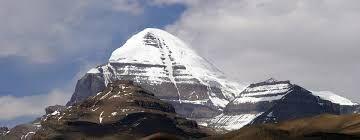
Mt. Kailash
The sacred mountain revered by multiple religions, known for its spiritual significance and stunning beauty.
Lake Manasarovar
A holy lake believed to cleanse sins and offer spiritual purification.
Dolma La Pass
The highest point of the kora, marked by prayer flags and offering breathtaking views.
Humla Region
Remote and culturally rich region of Nepal, offering a glimpse into traditional Himalayan life.
Itinerary
Fly to Nepalgunj and transfer to your hotel. Nepalgunj is in the sub-tropical lowlands of the Terai close to the border with India.
Fly to Simikot 2960m, and begin trek to Dharapari 2250m. The flight takes 50mins and offers some fantastic views of Himalayan peaks. The landing at the tiny mountain airstrip at Simikot is an unforgettable experience. There is an initial climb above Simikot before descending towards the village of Tuling and follow a level trail through walnut and apricot trees to the village of Dharapari.
Kermi 2682m. We follow the Humla Karnali and trek through rice and wheat fields to a point where the valley narrows and the river is choked with large boulders. According to legend, these represent silver fish that swam up from the Ganges and could make it no further. Above this point rice is not grown and we trek through small fields of buckwheat and open pine woodland. Towering above the surging waters of the Humla Karnali are snow capped peaks and a series of gentle waterfalls that provide ideal shower facilities!
Yalbang Gompa 2950m. Today we cross our first pass, the Soli La (2990m), and descend to cross the Soli Khola on a sturdy suspension bridge built in 1995. Our trail campsite. The views are superb and the friendly monks speak excellent English.
Tumkot Khola 2800m. The trail continues, at times close to the river, on a path that is built up with rocks and timber. We cross the Humla Karnali and climb gradually to Muchu (2920m) where there is a police checkpost. The trail passes below the gompa and stone houses of the village before gently descending to our camp by the river.
Thado Dunga 3854m. After crossing the Tumkot Khola we leave the Humla Karnali behind and will meet it again in two days time. A two hour climb brings us to a ridge crest at 3310m marked by a large cairn. We continue through open juniper woodland past Palbang to the village of Yari where there is a small shop and a school. About half an hour beyond Yari there is a nice camping place in an area of small meadows known as Dzungjen. As an aid to acclimatisation we can climb one of the ridges above Dzungjen for some excellent mountain views of the Saipal Himal.
Hilsa 3720m. The high pass of the Nara Lagna (4580m) is reached after a 31/2 to 4 hour climb. The summit is marked by two large cairns draped with prayer flags. Below, we can look into Tibet where the arid hillsides are a stark contrast to the greenery of the Humla region we have recently trekked through. It looks a long way down to Sher where our landcruisers await. The descent is steep and loose in places as the trail crosses scree and debris slopes. We may meet traders with large herds of sheep and goats. Each animal carries saddlebags loaded with rice from the Terai which is bound for Tibet, or if travelling in the opposite direction loads of salt bound for Nepal.
Lake Manasarovar 4558m We climb a short distance to Sher, a Tibetan salt trading post at 3860m that is a windswept place of government buildings where passports and daysacks will be inspected. At Sher we meet our Tibetan guide and board our landcruisers for the two hour drive to Purang, (Taklakot) at 3930m. It is a rough fantastic drive that gives a taste of what lies ahead.kora. Below the gompa there is a small hot spring and tea shop where it is possible to wash the dirt of the trail from our clothes and bodies.
Rest day. We spend a morning here to aid acclimatisation. We can explore the meditation caves along the lake shore and bathe in the sacred waters. Chiu Gompa is situated on a craggy cliff overlooking the lake and has commanding views over the plain to Mt Kailash. Inside is a small Guru Rinpoche cave that forms the most sacred part of the gompa.
We drive to Darboche or Serchung 4750m It is a short 11/2 to 2 hour drive to Darchen, a cluster of buildings within a walled compound that marks the pilgrim’s gateway to Mt Kailas. Outside the compound is an area dotted with the tents of pilgrims and nomadic traders. Whilst our yaks are loaded and arrangements are made for the kora we may be able to hike to Selung monastery above Darchen. In the late afternoon we will begin our kora and follow an easy trail that contours the hillside above the Bharka plain. Nomad tents and their trucks dot the open landscape and are dwarfed by the sheer vastness of it all. A cairn and prayer flags at 4730m marks the first of the prostration stations or chaktsal-gang on the kora. Darboche is a lovely camping area at 4750m in the Lha Chu valley with terrific views of the south face of Mt Kailas. There is a large flagpole here which is the focus of a colourful festival in May that marks the Saga Dawa or birth of Buddha.
Dri Ra Phuk gompa 5010m We head north up the Lha Chu Valley and enter the ‘Valley of the Gods’ through the ‘two legged chorten’ known as Chorten Kangnyi. It is a gentle walk on a well defined path that remains on the right bank of the river. The towering cliffs each have a name and are believed to be the abode of supernatural protectors. There are many nomads herding yak and sheep to grazing areas west of the mountain. We cross the Lha Chu to camp below Dri Ra Phuk gompa at 5010m. The views of Kailas’ north face are particularly impressive from above the gompa.
Dri Ra Phuk gompa 5010m. We will spend an extra night here as valuable acclimatisation before tackling the Dolma La at 5636m. An excellent excursion is to the base of the sheer icy face of Mt Kailas that is framed between two hills and can be seen from our campsite. It involves a climb over loose glacial gravel to the ice towers at the mountains’ base. It makes a round trip of 3 to 4 hrs and is well worth the effort.
Zutul Phuk gompa 4820m – cross the Dolma La 5630m. The day begins with a steep climb on a winding path over a moraine ridge to a level meadow area. To the south we can see a pass that provides an alternative kora around Kailas which can only be followed by those who have already completed twelve circumnambulations. Our route climbs to the Shiwa Tsal cemetary where Tibetans leave part of their clothing or a drop of blood to symbolise leaving part of their past life behind them. We may see lamas chanting prayers over the prostrate bodies of pilgrims in a ritual to aid their spirits’ journey after death.
It is a slow steady climb to the Dolma La which is marked by streamers of prayer flags and the huge Dolma Stone that represents the goddess Dolma. Pilgrims will press their foreheads against the stone and money is pasted to the rock with yak butter. This is the spiritual and physical high point of the kora which can also be a cold and forbidding place. The trail descends by a series of rocky switchbacks above the frozen waters of the holy lake of Gourikund to reach the valley of the Zhong Chu. We follow the river to camp in the vicinity of Zutul Phuk gompa at 4820m after 6 to 8 hrs of walking. A truly memorable day.
Hor 4550m. Our final day on the kora is an easy three hours walking as we exit the Zhong Chu Valley on a trail that contours high above a narrow gorge. The hills become less vegetated and more desert like as we approach the Bharka Plain with seemingly limitless views towards the Indian Himlaya. At one point pilgrims stop and scoop out of the hillside the precious white clay called Ghang Rimpoche ku-sha or the flesh of Kailas. It is believed to have medicinal properties and is spread on foreheads to ease headaches and colds. There is no need to linger at Darchen and we can begin the drive across the Tibetan plateau to camp by the northern tip of Lake Manasarovar.
Drive to Paryang Camp. 4050m. The road is rough and there are some rivers to cross. Wild antelope and kiang (the Tibetan wild ass) are a common sight. This is the land of the drogpa nomads and we will pass many encampments with large herds of sheep and goats. The drives are long, bumpy and often dusty but the scenery is magnificent. Photo stops are a must!
Drive on to Saga Camp 4600m.
We rejoin the main Lhasa to Kathmandu Highway where we get to see Everest as the road climbs to the Lalung La (5124m) before descending and climbing again to the Tong La at 5120m. We finally reach Nyalam and overnight at a basic hotel.
Drive via Zhangmu to Dhulikhel. Drive to Dhulikhel. Dhulikhel is a small town with a long history. The artistic skill and urban ethos of its Newar inhabitants have created a place of charm and beauty. Streets are lined with brick houses, carved wooden windows, sloping tile roofs, pagoda temples and sacred statues everywhere. You will think you have wandered into a cultural theme park. It also offers one other important thing - panoramic view of the Himalayas
Back to kathmandu with private vehicle.
kathmandu valley sight seeing and farewell diner.
Back to onward destination.
What's Included
Accommodation
Hotel accommodation in Kathmandu and Nepalgunj on a twin-sharing basis, guesthouse/lodge during the trek, and camping during the kora.
Transportation
Flight from Nepalgunj to Simikot and return, private vehicle for Kathmandu sightseeing, land cruiser in Tibet.
Meals
All meals during the trek and kora.
Permits and Visa
Tibet Travel Permit and Chinese Visa fee.
Staff
Experienced trekking guide, Tibetan guide, and support staff (cook, porters/yaks).
What's Not Included
International Flights
International airfare to and from Kathmandu.
Nepal Visa
Nepal visa fee.
Personal Expenses
Expenses of personal nature such as drinks, tips, and souvenirs.
Travel Insurance
Travel insurance is not included.
Evacuation Costs
Emergency evacuation costs.
Dates & Availability
No fixed dates available
Essential Information
Acclimatization
This trek involves high altitudes. Proper acclimatization is crucial. We have built in acclimatization days at Lake Manasarovar and Dri Ra Phuk Gompa. Drink plenty of water, avoid alcohol and smoking, and ascend gradually.
Permits and Visas
You will need a Chinese visa and Tibet Travel Permit to visit Mt. Kailash. We will assist you in obtaining these permits. Please provide necessary documents well in advance.
Physical Fitness
This is a challenging trek that requires a good level of physical fitness. Regular exercise and hiking experience are recommended. Consult your doctor before undertaking this trek.
Travel Insurance
Comprehensive travel insurance is mandatory. It should cover medical expenses, evacuation, and trip cancellation.
Checklist
Clothing
Warm layers, waterproof jacket and pants, thermal underwear, trekking pants, fleece jacket, down jacket, hat, gloves, scarf
Footwear
Sturdy trekking boots, hiking socks, sandals
Gear
Backpack (50-60L), sleeping bag (rated to -10°C), headlamp, trekking poles, water bottles, sunglasses, sunscreen, first-aid kit
Personal Items
Toiletries, medications, camera, snacks, books, journal
Frequently Asked Questions
The best time to visit Mt. Kailash is from May to October when the weather is relatively mild and the passes are open.
The kora is challenging due to the high altitude and rugged terrain. It requires a good level of physical fitness and acclimatization.
You can expect a mix of hotels, guesthouses, and camping. Accommodation during the kora is primarily in tents.
Yes, comprehensive travel insurance is mandatory. It should cover medical expenses, evacuation, and trip cancellation.
You will need a Chinese visa and Tibet Travel Permit to visit Mt. Kailash. We will assist you in obtaining these permits.
Price on Request
Contact us for pricing